

You might not have heard the term confirmation bias before. This is when you favour evidence that supports your pre-existing beliefs, ignoring evidence that contradicts them. It’s not a rare condition that only a few people have; in fact we all have it! It’s part of our human make-up. Confirmation bias can have a profound effect on our religious beliefs, our political affiliations and our decision making. Unless we recognise our own confirmation bias, we may be prone to serious misjudgements.
In his book When Prophecy Fails, the eminent social psychologist Leon Festinger explained confirmation bias as follows:
Suppose an individual believes something with his whole heart; suppose further that he has a commitment to this belief, that he has taken irrevocable actions because of it; finally, suppose that he is presented with evidence, unequivocal and undeniable evidence, that his belief is wrong: what will happen? The individual will frequently emerge, not only unshaken but even more convinced of the truth of his beliefs than ever before. Indeed, he may even show a new fervor about convincing and converting people to his view.
Here’s an article from Psychology Today that explains confirmation bias quite clearly.
Investment And Confirmation Bias
Say we’d somehow come to the conclusion that the way to get rich was to invest heavily in commodities. Once we’d reached that conclusion, and invested a big chunk of our own money, our tendency would be to read articles that supported our stance. Occasionally we might read an article that suggested that commodities were overpriced. Our tendency would be to devalue that article, reinforcing our faith in commodities. We might then keep investing more money. We’d be delighted to see our portfolio continue to grow, and this would bolster our belief in our financial acumen.
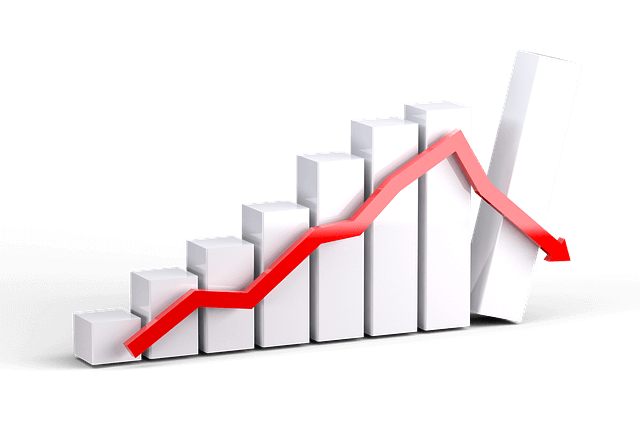
Then one day, perhaps we’d find that we were 50% down from where we started. We’d then experience what’s called “cognitive dissonance”. Part of our brain would be telling us not to lose the faith in commodities. Another part would be telling us to get out before we lost everything.
Confirmation bias can contribute to market bubbles that eventually burst. The majority of investors share a common belief in an investment, and reinforce each other’s’ beliefs. Asset values then inflate to unsustainable heights. It then only takes a small panic to trigger a chain reaction, resulting in a market crash. If investors had weighed the full range of evidence, the bubble might have been less severe, or possibly avoided altogether.
Retirement Planning
It’s not just the general public that are prone to confirmation bias. Some financial advisers may have arrived at their own preferred approaches to planning finances in retirement. They may have a toolkit of favoured financial products that are consistent with their conclusions. If your only tool is a hammer then every problem looks like a nail!

Financial advisers don’t always agree with one another. For instance, some advisers favour covering essential spending with annuity income. Others may believe that annuities are less suitable in the current environment. Then there’s the so-called 4% rule, which some advisers consider a good rule of thumb. Others consider it inappropriate. This Daily Telegraph article illustrates how differing views can lead to very different outcomes.
Having differing opinions are one thing. Sticking to them in the light of strong evidence to the contrary is quite another. Financial planning is highly complicated. There are so many choices. The precise consequences of each choice are never certain. Experienced financial advisers aim to base their guidance on the available evidence. To do this, they will have learned how to overcome their natural confirmation bias.
Automated Tools
Here’s a very useful BBC article. It not only explains confirmation bias, but also suggests an effective technique for us to help overcome it.
John Maynard Keynes is often quoted as having said: When the Facts Change, I Change My Mind. This suggests that Keynes had managed to largely overcome his confirmation bias, at least on economic matters. That doesn’t mean he was right. But it does suggest that he was objective.
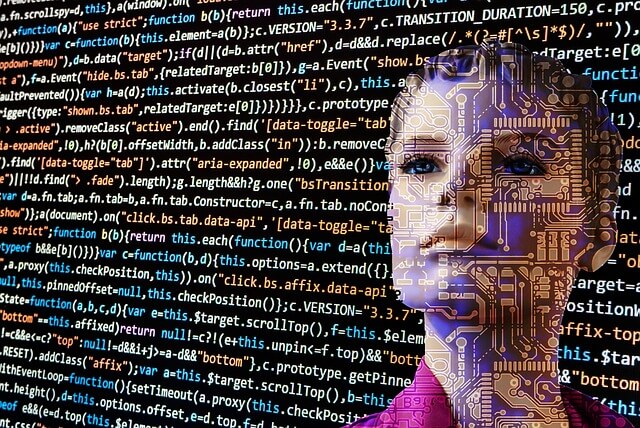
Imagine you could program an intelligent robot with all the financial knowledge and intelligence of a human, but without any confirmation bias. Then the robot would be the most objective economist and financial guru. We’re not there yet. But humans are already using computer programs that perform useful financial calculations to help with decision making. Computer programs don’t suffer from confirmation bias. But on the other had they’re not as smart has humans. So the human must remain in control, with the program acting as a support tool.
There are relatively few truly useful retirement planning tools available to the general public. That’s why we created EvolveMyRetirement. We call it the Intelligent Financial Planning Calculator because it refines (evolves) its modelled strategies as it runs. Used correctly, EvolveMyRetirement can help reduce the influence of confirmation bias. It helps users explore important financial decisions before, at, and after retirement.